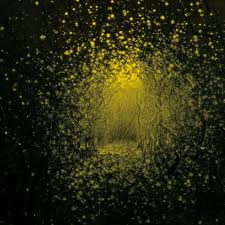
Dexy’s Midnight Runners – ‘Too-Rye-Ay’: Round 21 – Rob’s choice

Time is short. I’m going to skip the bit where I explain that Dexy’s Midnight Runners were more, so much more, than the School disco gypsies that most of the Northern Hemisphere remembers them as. Sure, I’m handing our credits here. Fill your boots.

There’s a quote variously attributed to Nick Lowe, Elvis Costello and various other smarty pants rock stars that goes thus: “writing about music is like dancing about architecture.” It’s a peach. Plus, as a bonus, it’s pretty accurate. How then to write about Dexy’s Midnight Runners, and Kevin Rowland in particular, a band and a singer who, at their most fearsomely intense, used their music as a platform to struggle publicly, forlornly and beautifully to express the essence of what they wanted their music to be? They never reached the purity, the core that they sought and if they couldn’t express what they wanted for their music in the form of their music then writing doesn’t stand a chance. So, I’ll dance for 400 words instead.

Before we speak of Kevin and his heart of fire, let’s be sure not to skip past the sound his band made. The sound he made them make. Rowland conceived Dexy’s Midnight Runners as a hard-hitting hoodlum soul revue and he drilled them, technically, physically and mentally, until they were the outfit he needed. Then, after their first album, they all abandoned him and he started again. The band we hear on this, their second record, is almost completely new and (perhaps we shouldn’t be surprised) despite the additional adornment of fiddles and dungarees are harder, bolder, tighter and punchier than any other Runner’s incarnation. Hear how they push and push their way through ‘I’ll Show You’, piano, horns, strings, drums hitting every step, every sublime transition together and hitting them hard. Try to spot a single crease in ‘Until I Believe In My Soul’ a 7 minute gospel torch song that sweep inexplicably into a jazz pastiche and back out to a floor thumping, chapel-filling cri de coeur.

In Dexy’s Kevin Rowland fused the personal and the political then sublimated them. In this he and his band equalled, perhaps surpassed, the great testifying rock and soul acts. ‘Too Rye Ay’ is his least political and most personal record. It plays down his desire to reconcile his Black Country upbringing with his Irish heritage, which dominates much of ‘Searching for the Young Soul Rebels’ and ‘Don’t Stand Me Down’, and focusses on his urgent need to create something that will burn bright down the ages, a pure expression of abstract inner truth that will stand as no less than a monument to the beauty and the worth of the human soul. Sounds over the top? Fair enough and, by the way, screw you.

Rowland’s lyrics are remarkable. Each song is like a workout, a battle as he fights to express himself, beating down the language, beating down the constraints of the form, throwing propositions back and forth in dialogue with his band members, searching, climbing, grasping for the secret resolution he knows is out there somewhere. And the Runners go with him creating elatory music to match their leader’s fervour.

All this comes together in it’s most perfect form in ‘Let’s Make This Precious’, Rowland’s signature piece. The band kick hard, fast, joyfully, irresistibly. Rowland’s lyrics, his dialogue with the band and himself are a pure plea for purity, for commitment, for transcendence. Together they are striving, working, training and straining for something beyond the ordinary, something more, something that they can sense but cannot reach, something that will transform them, redeem them, save them.

“Pure, this must be, it has to be.
Pure, let’s make this pure,
(Do you mean it?) Yes I do,
(Then let’s sing it) Certainly, but
First bare your hearts and cleanse your souls
(And then?) Let’s try and make this precious, like this.”

Their quest never reaches it’s end. They never get there, perhaps they never could. But, my goodness, ‘Too Rye Ay’ brings them pretty close.

Epilogue: reversing the Curse of Devon Record Club, in the days after this last meeting Dexy’s announced the release of ‘One Day I’m Going To Soar’ their first album for 27 years.

Nick listened: Dexys are an odd proposition; any understanding of them for me, and for most people I suspect, is so massively overshadowed by Come On Eileen (even more so than Geno, which I’ve read about countless times but don’t ‘know’) that it’s difficult to form any kind of relationship with them and their music. I tried to, years ago, by buying Searching For The Young Soul Rebels, in the hope that it would be the white soul classic I was looking for back then (I suspect it was, but I wasn’t ready for it, for whatever reason – the reason probably being Eileen). So, I’ve read more about Dexys than I’ve listened to them, but Come On Eileen is still burnt into my consciousness more than anything else about them.

Rowland himself is a fascinating character, doing, as Rob points out, the musical equivalent of breaking the fourth wall, singing about the music he is singing, striving for something primal and honest. This was great (as was the Don’t Stand Me Down track that Rob played alongside it), and I want to know and hear more. Sadly, as ever, I think the distance of time elapsed between then and now, coupled with Eileen’s ubiquity and strangeness, will make any appreciation I come to of the rest of their ouevre just that; appreciation, rather than love. But I’m gonna keep looking out for Don’t Stand Me Down, lest it ever be around for less than £50, and try and pick this up too.

Graham Listened: Since the mammoth success of …..Eileen, I have probably been doing my best to avoid Kevin Rowland. The first album had no real imapct on me at the time, but I could recognise Geno as a great tune. But being around at the time, the success of ……Eileen categorised Dexys as just another pop band for me. I can recall listening to this album at the time of release and really “not getting it”, as it were. I was probably expecting more of the pop classics like the singles and didn’t really get all the heart and soul searching. I can hear it now but still harbour doubts.

Tom Listened: I have a friend at work who is really into early 80s ‘pop’…hell, I even caught him listening to a Heaven 17 Youtube mix the other day! I told him about Too-Rye-Ay being an offering at our recent DRC meeting, offering condolences that he wasn’t there but he replied that Dexy’s were never his thing. When I (incredulously) asked him why not, he related to their ubiquity at the time. In his words ‘you don’t come home and drink scotch when you’ve already got plastered on it in the club’. Now I suspect that with that statement he is not referring to Dexy’s, he’s referring to their crowning glory/albatross…that song…you know the one!

The thing is, once you come to properly listen to the albums you soon realise that Come on Eileen is so far from being representative of Dexy’s that it has probably done the band more harm than good. That one song is, to most people, Dexy’s. And I haven’t met all that many people who don’t like it. But I also haven’t met all that many people who have explored the band’s output beyond it. And I guess the reason for that is that the song’s album is an awkward bugger, packed with disorientating time signatures, oblique lyrics and (horror of all horrors) more key changes than you can shake a stick at. So it’s really difficult to get to grips with (at least for me it is) and yet I feel as though, six or so listens in (Rob lent me his copy), this is probably a work of genius, passion, authenticity and other good words. One that’s very much worth persevering with and although I still wouldn’t say I have clicked with it yet, I am beginning to really enjoy the ride (and none of it is remotely like Come on Eileen… apart from Come on Eileen).

PS I have also felt inspired to go back to Searching…and that sounds brilliant…and much more accessible! Definitely an easier introduction to the band.
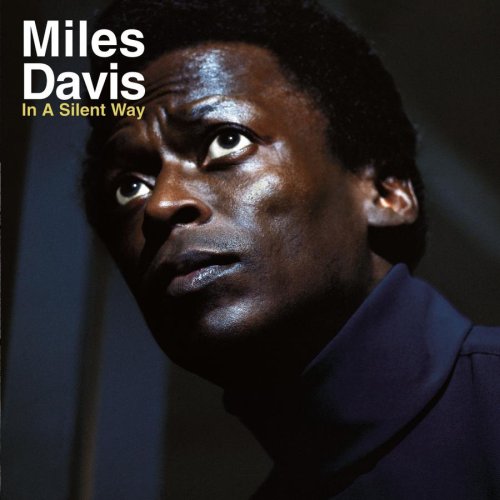
Miles Davis – In A Silent Way; Round 21, Nick’s choice

Graham deigned not to set a theme for this week, so I turned to the literal pile of CDs that I’ve amassed on a shelf and mentally labelled as future contenders for Devon Record Club. And, as usual, I’ve picked out a record that I’ve written about before, way back when Stylus still existed. (To my amusement, my ruminations on this record, researched from a couple of books I had on Miles from the library, are now used as a source on producer Teo Macero’s Wikipedia page. Which just goes to prove the pointlessness of citations.)

Anyway. The Christmas holiday in my first year at university, and I decided to get into red wine and jazz. As you do. My dad shared a bottle of rioja that he’d received as a gift from a client with me, and my brother bought me Kind Of Blue by Miles Davis. Not a bad introduction to either. I delved further into Miles’ catalogue more quickly than I explored pinot noir and cabernet sauvignon, though, eating up Bitches Brew and In A Silent Way first, as those seemed like the most exciting and essential jazz albums from Miles’ oeuvre for a young man to get to grips with.

But, whilst Bitches Brew can take some getting to grips with as you go about unravelling its immense tapestry of sound, rhythm, melody, and texture, In A Silent Way clicked with me straight away. Maybe it was the fact that I’d already digested a handful of CAN albums as a 17 year old? Or perhaps it’s just that this mesmerising, mellifluous amalgamation of electric pianos (two of them, and an organ on top), slinky bass grooves, insistent high-hats and insouciant, beatific, late night melancholy-and-cool-at-the-same-time trumpet and saxophone riffs is, purely and simply, an absolute pleasure?

I’ve never met anyone who knows In A Silent Way and didn’t love it. It occupies a similar territory to CAN’s Future Days and The Necks, and paved a trail that would be followed by a host of ambient musicians and other minimalists and experimentalists for years to come, as well as pioneering production techniques that only The Beatles had ventured towards previously, and which would soon become commonplace throughout pretty much all pop music.

I say it a lot in reference to the records I bring along to DRC, but In A Silent Way is one of my favourite records ever (I bring them because I love them dearly!). But what will Graham, Rob, and Tom make of it?

Tom listened: Well, Nick is being a little disingenuous there as he already knows what I think of it. For me, In A Silent Way is the best jazz record I have ever heard… by a long shot. But then, I’m not sure just how ‘jazz’ it is. This is something else, it exists in its own little group of one, a unique record that is a blissful meeting place of be-bop, fusion and african rhythms, loops, crazy organ sounds and a hypnotic groove that keeps you guessing right up until the last few minutes when Miles eventually lets rip in the (frankly orgasmic) kaleidoscope of sound that had been promised for the previous 35 minutes. This is not one of the best jazz records ever, it is one of the best records ever…and if you think you don’t like jazz and haven’t heard this, reserve judgment until you have!

Rob listened: Beautiful and timeless. I hadn’t heard it before, my Miles go from ‘Birth of the Cool’ to ‘Kind of Blue’ and then run out. I get Tom’s opint about this seeming to sit in a class of one. ‘In a Silent Way’ sounds like it’s always existed. To an extent it was unsurprising in that its moods, if not its moves, have been copped so many times since then that they have become part of the culture. It’s slightly disorienting then to face the facts that this sound, this approach, this type of record had to start somewhere, that this it where it DID start, and that, based on my scant experience, none of its celebrants, or imitators have come close to its accomplishment. It’s impossible to imagine anyone not loving it. But then, I have a limited imagination.

Graham Listened: Well I’m one of the people Tom points to in  last sentence. Lets be clear here. I’m not about to grow a goatee, buy a beret and start attracting people’s attention by saying “hey Cat”, but I may just have been converted. Wonderful feeling of motion and groove. Need to tread carefully along this path to avoid falling back in to previous prejudiced view.

Big Star – Third/Sister Lovers: Round 21 – Tom’s Selection

This used to be my favourite record. Now, twenty(ish) years on, having re-aquainted ourselves properly after a while apart, I am as astonished by this monumental piece of work as I was when I first tentatively placed my stylus in the opening groove of (the frankly gobsmacking) Stroke It Noel all those years ago. It was love at first listen. It so easily might not have been. I got lucky!

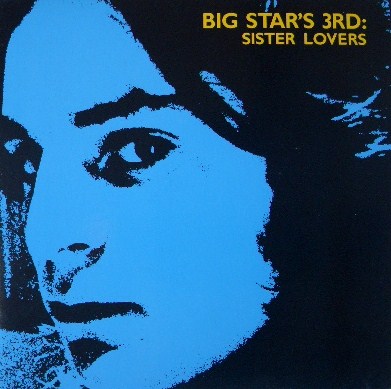
Big Star’s 3rd album has a complicated history. Due to all sorts of messy record label wranglings, the album failed to see the light of day at the time of its recording and hence the tracklisting when PVC (the cover above) finally released the album in 1978 was different to the one that Alex Chilton and Jim Dickinson had initially decided on. When Rykodisc re-released the record in 1992 they stuck more closely to the original playlist…but it makes little sense and completely alters the feel of the record. PVC got it right! So my first impressions of Big Star’s 3rd (and Big Star for that matter) were so overwhelming that the record could never fail to win me over. Had I bought the Rykodisc version, I would have initially been faced with the fine enough, but awkward, rocker of Kizza Me which makes an excellent, contrasting track three (after the lush strings of the aforementioned Noel and the equally beautiful, Jodie Stephens penned For You) but just doesn’t really cut it as a first track. Nick, who owns the Rykodisc version, actually took a photo of the track order from my record sleeve as it dawned on him how the record is completely transformed with a few alterations to sequencing.

The PVC copy tells the story of one man’s descent into the deepest, darkest recesses of the human soul imaginable. By the time he wrote the songs for 3rd Alex Chilton had sniffed big time success with The Box Tops and watched it disappear over the horizon as he picked up the pieces of a disastrous record label relationship with Stax that led to the first two Big Star albums selling diddly squat when they should have been competing with Led Zepp IV, Harvest and Ziggy. And it’s these circumstances that makes 3rd so special…here is a man with nothing to lose, in the depths of despair and at the height of his musical game. So we are offered a poignant and rare insight into the human condition, the dark night of the soul, perhaps second only to Nick Drake’s Pink Moon and maybe even more impressive as 3rd doesn’t have the weight of what happened next colouring our judgment. Chilton’s voice is so vulnerable, so weak and so affecting. It’s not the record that is broken, it’s the man. The PVC track order makes total sense because the darkness becomes more and more pervasive as the record progresses until we reach the pitch black triptych of Big Black Car, Holocaust and, to top it all, possibly the greatest song ever written to have no discernible rhythm (hell, let’s face it, possibly the greatest song ever written full stop) the immense car wreck of a song that is Kangaroo. Yet Chilton saves the absolute killer punch for last (on this version at least)…the sweet enough sounding but scarily bitter and sarcastic Thank You Friends, in which he thanks, ‘all the ladies and gentlemen who made this all so PROBABLE’. God, is he pissed off!

When I purchased Big Star’s 3rd I had no idea music like this existed. This was prior to Teenage Fanclub’s weak assimilation of the Stax records’ power pop, when barely a week went by without a music publication having some retrospective or other on the band. I remember a feeling of huge excitement upon first playing 3rd, imagining all the other lost classics I had yet to hear of, waiting for me to discover them. I thought there would be 3rd’s all over the place, and whilst I have made innumerable wonderful purchases over the years, few (if any) have affected me in the way this amazing record has.

Nick listened: I bought the Ryko CD version of this well over a decade ago, whilst I was at university, alongside Big Star’s debut album, #1 Record. The Ryko version claims to be closer to Chilton’s intention, but having heard the songs in this order, it seems like even more of an insane jumble now than it did back then; the Ryko version runs the exquisite Stroke It Noel straight out of the back of the Holocaust / Kangaroo double-bill of desolation. This PVC version arranges the songs into a narrative of disintegration, which sounds wanky and rockist but which honestly makes each moment more affecting. I’ve loved many of the individual songs from this record since I first heard them, and could sing along with them all, but it’s not a record I dig out often at all, and that’s not merely because of how much of an emotional slog some of the songs can be.

Of course, Chilton abandoned the record and left it for dead before it was finished, and then ignored it for 40 years before his untimely death two years ago, so there is no ‘proper’ running order (or cover artwork). In fact, it wasn’t even meant to be a Big Star record; apparently it was supposed to be released under the artist name ‘Sister Lovers’

Anyway, a great record, and a harrowing document of the frustrations and heartbreaks of someone who tasted success as a teenager and then spent the rest of his life trying to catch it again, and failing.

Rob listened: I never liked Teenage Fanclub. I thought ‘A Catholic Education’ was dull and the stuff that came after drippy and pointless. I suspect I might like the former now if I went back. However, I dislike them even more after this evening. I avoided Big Star for 20 years because of the number of times I was told that Teenage Fanclub’s schtick was channeled untampered with from Alex Chilton’s band. Why bother seeking out records that would sound like the boring Fannies? Brilliant. Thanks a bunch.

I thought ‘Third’ was mesmerizing, chilling, sweet and cruel in equal measures. All the way through I found myself thinking ‘this is a record I could love’. Through all our meetings thus far I’ve never felt the need to shut up and listen as much as I did during these 40 minutes – stronger even than the need to tell Nick to shut up and let us listen during the preceding ‘In A Silent Way’. It’s ‘In a SILENT Way’ Nick, not ‘Shrouded by Chatter’. I think this is the most affecting and captivating thing i’ve heard yet at Record Club.

Graham Listened: This has to be the most remarkable record I have heard yet at DRC. A thing of beauty. The only 2 tracks I had ever heard were Kangaroo and Holocaust, courtesy of covers on 4AD’s It’ll End in Tears compilation (featuring the Cocteau’s) in early 80’s. It was a joy to hear their original versions. Somehow this gave rise to a debate about whether you could recognise something as being an awful cover version, without having heard the original. Even though I had never heard Lou Reed’s original version, in 1984 when I heard Simple Mind’s version of Street Hassle, I knew it was just, wrong.

Big Black – ‘Songs About Fucking’: Round 20 – Rob’s choice

I bought ‘Songs About Fucking’ shortly after it came out. I was 16. I had no idea what I was getting myself into. I’d read a couple of reviews and, having noted the discussion of the drum machine, the grinding bass and the cover version of ‘The Model’ I was expecting something like a heavier version of New Order.

I got the record home, snuck it upstairs past my parents, played it once and immediately hid it under a stack of much older records. I was petrified. Never heard anything like it, never even contemplated that anything like it might even exist out there. I can still remember how my room looked the day I first heard the record, and still taste the horror, disgust and fear that I was left with. I hid it away so I didn’t have to think about it and it was six months until I played it again. That was 25 years ago. It’s been one of my favourite albums for about 23 years now.

‘Loud’ is a slippery theme, but I chose ‘Songs About Fucking’ because, more than any other record i’ve ever heard, it absolutely seethes with volume. Not only can you hear the tracks straining, pushing and pounding to burst out of their own skins, but you’re left in no doubt that, if they do manage to break free, they’ll go straight for your throat (probably to give you a ‘Columbian Necktie’). I have many records which are more shouty, have more rocket-powered guitars on them, have more frenzied beats, gunshots, howls, bits of metal being obliterated by industrial machinery, but none of them possess a spiritual loudness, an unquenchable violence in their DNA, their soul, like Big Black’s second and last album.

Steve Albini used a drum machine in Big Black because he knew where he was going and he knew no human drummer could keep the beat as quickly, consistently and relentlessly as he needed. The drums on this record go off like a pounding rail gun. He played his guitar with metal picks to which he’d attached industrial metal chippings so they would give a sound like two guitars being played at once. The guitars on this record buzz, squeal, scrape, fizz and skinng (Albini’s word for the sound) like wild animals being dragged towards a meat grinder. Albini has an reputation as a misanthrope which may be unfair, but this record lays out a cast of characters none or whom you would want to meet were they to step off the vinyl.

‘Songs About Fucking’ has inspired some great lines from critics since its release, many from writers who shared my initial repulsion but realised also that to make something this effective, this driving, this brutal, this memorable is an achievement that deserves recognition. Look ’em up, google the title (no, really), they’re worth it. I think it represents the end of something. It’s not possible to take this line of attack any further than Albini and his fellow sociopaths did here.

It’s just 29 minutes long. I’ve been listening to it for 24 and a half years since I retrieved it from it’s hiding place and still, after all that time, it never fails to give off one hell of a charge. Every single time. I can’t think of any other records I own that can hold a candle to it in that regard.

Nick listened: I know Rob’s been pondering how record club would react to noise since its inception, and threatening to bring this album along every fortnight to find out… Big Black are a name I’m very aware of, but not a band I’ve ever been tempted to taste for myself, despite the fact that I’m a big fan of the sound Albini engineers in other people’s music; on finally hearing this, my hesitancy was warranted, because as much as I might love the sound of Electrelane or Nina Nastasia (and their songs) and even In Utero (as long as you tweak the bass and treble settings as suggested in the booklet), this is a very different record indeed. I’m very glad I’ve heard it, and I “enjoyed” it more than I thought I would – the fact that the noise was used as a vehicle for recognisable song shapes (and, of course, one very recognisable cover) made it much easier to consume; I guess I’d been vaguely fearful that the songs themselves might not exist at all. That it’s brief certainly helps too. I doubt I’ll be buying my own copy, but I’m glad Rob’s got his, and loves it so much.

Tom Listened: I thought this was great…and I didn’t really expect to! In fact, Songs About Rumpy Pumpy (just in case the kids ever read this) has probably been the biggest surprise for me since we started DRC. Whilst the sound of the record was not far from what I expected, there was much more space and dynamic range than I thought there would be, with barely a sniff of that heads down thrash your fingers until they bleed hardcore rifforama that has always put me off. And there were melodies. And it wasn’t terrifying in the least. Now I just need to find a way to smuggle the sleeve past the kids! Not one for long car journeys with the family.

Graham Listened: I knew this album for its reputation, and more chiefly, its cover. I prepared my self for the aural onlsaught, but hey, it wasn’t that scary at all!

Screaming Trees – Dust – Round 20 – Graham’s Choice

A loud theme opened the door to a band I had been thinking of bringing along for a while, partly to test the water on whether I was out on my own as an admirer of their work. I’m not really sure if I have a “nodding” category in my meagre collection, but the Screaming Trees would definitely fit in there. Whether in the car or at home, involuntary head movements quickly follow when this and the previous 2 albums  are played.

I think I came across this band through some kind of TV/radio documentary exploring the American Grunge scene in early 90’s. The band had been around since the mid 80’s and Dust was finally released in 1996, after a four year gap in releases and abortive attempts to record. This was their 3rd release on a major label and their 7th and final studio album. On that basis it might be expected that the band was running out of steam and the album would reflect this. What I get from Dust is an album where the band seem to be enjoying themselves, free from some constraints of what they might have been expected to produce in the past and more confident in their own abilities and willingness to expand on their previous sound. I’m still not sure if the mellotron/organ on Sworn and Broken really works, but it certainly comes in as a surprise. Listening again, they even allowed for a little guitar heroics, most of which can be sustained by the general feel of the album. Whether labeled post punk/grunge in the past, their sound developed through their last 3 albums and here they are happily embracing psychedelia/folk/country influences on many of the tracks, without losing an easy to follow “groove”, as it were.

All of this still leaves me asking why they never enjoyed the commercial success of the other bands spawned by the Seattle grunge scene? Whether they wanted it is down to them, but timing of albums and tours doesn’t seem to have been on their side, and the Connor brothers were never going be as photogenic as Kurt Cobain and Eddie Vedder. Whether filed under “nodding” or “earthy/dirty/grungy”, still and album and band to be enjoyed.

For an “earthy/dirty/grungy” point of reference track, I managed to sneak in Sick Again, the final song on the magnum opus that is Led Zeppelin’s Physical Graffitti.

Tom Listened: Screaming Trees are one of those bands that I have always meant to check out and always thought I’d quite like, imagining from what I have read that Mark Lanegan’s voice would be rough and gravelly (akin to Tom Waits at his brawliest) and the sound of the band to be right up my street. This could still turn out to be the case but, to be honest, I don’t really remember much of Dust and I suppose that may well be a problem as I am unlikely to actively seek it out…its ten songs kind of washed over me and left little impression. Over the years some of my favourite albums have had similarly inauspicious beginnings but usually there will be something that reels me in for a second go. With Dust, surprisingly for me, that certain something seemed to be missing.

Nick listened: Conversely, I’ve had this album since shortly after it came out in late 1996, and have played it hundreds of times in the near-16-years since then. I love it; for me, it’s the platonic essence of an accomplished rock record, with strong songs, great performances, rugged vocals, terrific riffs, just enough virtuosity to make it impressive without ever verging on wanky. The sound is terrific; George Drakoulias’ production and Andy Wallace’s mixing give it a rough, hewn foundation but a smooth front edge, loads of detail but plenty of heft, too. Whenever I want loud, primal, but sophisticated rock with hints of psychedelia, folk, and blues, I reach for Dust. Play it loud.

Rob listened: I also bought ‘Dust’ when it came out, but for me it was the unacceptable waning of the fire that had started in Seattle. I loved the filthy, broken, wild blues roots of grunge. Mudhoney threatening to kick through your speakers and lick your face. Tad struggling to stave of a massive coronary whilst screaming about drowning in an upturned pick-up. Kurt taking his global success and laying it all on the line with ‘In Utero’. Amphetamine Reptile records and all the disgraceful abandon they stood, or mainly laid down, for. Then there was the other line of descent, down through Pearl Jam to Stone Temple Pilots and ultimately to Nickelback. ‘Dust’ is okay, but it belongs in that half of the family. And I’m with the freaks.

The Stooges – Funhouse: Round 20 – Tom’s Selection

It’s been a while since I did one of these. Our longest hiatus yet, so it seemed right to usher in the (not so) New Year with an incendiary blast of noise – blow out the cobwebs and all that. There is nothing in my collection more suited to this purpose than The Stooges’ legendary second offering…to my mind the only time the band got it right, avoiding as it does the clinical production and patchiness of their first album and the bizarre muddiness of Raw Power, possibly one of the best terribly produced albums of all time (what was Bowie thinking of?)! In contrast, Funhouse is a nigh on perfect mission statement for a band that must have been an absolutely thrilling live experience when they were at the height of their powers…in 1970 (as opposed to 1969)! Apparently in 1970 they ‘felt alright’. Don’t you believe it.

This is an album full of menace, nastiness and danger. This is no artifice – this is even more 4 real than the Manics carving their arms in the NME! I remember one sultry Summer evening (we had them back then), not long after purchasing Funhouse, lying in my bedroom at my parents’ house in a sleepy Somerset village whilst the Stooges blasted me to sleep. The following morning my brother commented that he could hear the record from the other end of the village. Never has an album been further away from home! Funhouse belongs in the city, in a dirty and mean metropolis, preferably whilst there is a riot (or at least some looting) going on.

Funhouse is very much an album of two halves. Side A is definitely more accessible with Down in the Street’s gritty groove leading into the thrilling Loose which still sends a shiver down my spine every time I hear it, despite being played far too often on the various compilation tapes I have worn out over the years. TV Eye pounds away, bludgeoning the listener into absolute, sweet submission and then Dirt slowly grinds for seven minutes sounding as fresh and vital now as the day it was made. I absolutely love this side of vinyl – probably my favourite twentyish minutes of ‘loud’ rock and roll.

You’d think that there would be no way to out do these four songs but, if anything, side B is even more intense! It only occurred to me recently that it’s the introduction of a saxophone on the three songs on the second side of Funhouse that changes the mood of the record. The songs here are darker, more brutal, harder to take. In fact, the final 4 minutes of LA Blues is pretty much a free-form rock jazz mess, a seemingly random mix of howls, sax, drums and guitars that echoes some of the more challenging offerings from John Coltrane and Miles Davis during their excursions into noise in the mid to late 60s. Yet it’s worth hearing out and I’m glad I don’t have the option to skip LA Blues as it forms an integral part of one of the most exciting and visceral offerings that has yet to enter the rock and roll pantheon.

Rob listened: I’m disconnected from The Stooges’ discography. I taped what I thought was their first album from the University of Leeds library in 1990 or so and loved it. On reflection it seems to have been an amalgam of their first two, or maybe three. It definitely had both ‘1969’ and ‘1970’ on it, plus both ‘TV Eye’ and ‘No Fun’. If i’m honest, I think I prefer the slightly younger, more wiry, jittery first songs to those from ‘Fun House’, but that’s not to deny what a powerful force Iggy and his fellow hoodlums were, to which this stands as ample testimony.

Nick listened: I’m pretty sure I bought this at university, almost certainly from Spinadisc in Northampton, where I spent many hours escaping from emotional turmoil by browsing the racks. Even if I didn’t, I’ve had it for years and years, but probably only listened to it half a dozen times at most; so little that I’ve never consciously noticed the saxophone divide that Tom mentions above. Every time I have listened, I’ve enjoyed it – especially the relentless grind of Dirt – but Funhouse, and The Stooges in general, fall into an odd category that I might be tempted to call “historiography rock”; really good, clearly exciting, ahead-of-its-time stuff that just doesn’t quite click emotionally for me. Plenty of stuff falls into this category – Bobs Marley and Dylan, John Coltrane, Neu!, Funkadelic, The Small Faces, The Who, The Doors, The Velvet Underground, Wire – and listening to it feels a little like research, checking off a list of important music, whilst other stuff seemingly from before my time – CAN, Miles Davis, Marvin Gaye, Curtis Mayfield, Talking Heads, Love, and most notably The Beatles – I feel properly invested in. I guess that’s what we call ‘personal taste’.

Graham listened: I have to admit that I’ve never been drawn in by Mr. Pop and his colleagues. I’ve heard plenty over the years but never sat down and listened to a whole album of work. There has always been something for me about Mr. Pop’s cultural icon status that has strangely put me off giving his music the attention it maybe deserved. I really enjoyed the first half of this album but felt that was all I needed to hear. Credit to them for pushing the boundaries and influencing generations to come, but I’m still feeling I will be listening to those they have influenced, rather than returning to the source.

The MC5 – Kick Out The Jams; round 20, Nick’s choice

When Tom said “bring something loud” I thought about some kind of clever definition of loud, and bringing a record of over-compressed ballads or mushed-up AOR or something, but only for a second. My second thought was to bring XTRMNTR by Primal Scream, but upon revisiting it revealed itself to be 24 seconds longer than our allowed album length of 60 minutes – given that I’ve broken the rules so often I thought I’d adhere to them for once, and look elsewhere. The raucous guitars and screaming, noise-descending chaos of XTRMNTR made me think of an older record, though, so I bypassed Fugazi and the recently-reformed At The Drive-In and went to the source – The MC5, and their legendary debut album, recorded live over two nights of Halloween weekend 1968 and Detroit’s Grande Ballroom, notorious for its guitars, energy, sermonising, and the profane introduction to the title track that got them dropped by Elektra.

I first bought Kick Out The Jams when I was about 17 or 18, and we played it for the first time at my friend Ben’s house. His dad had a big stereo, and we were astonished by the guitar sound, which was nothing like we’d heard from other 60s music before; it felt like the motherlode of alternative rock, grunge, punk, metal, anyone and everyone who’d tried to squeeze an amplified, distorted, excited squall of riffs out of a guitar. It was great.

Factor in the crazed sermonising (I’d not listened to Kick Out The Jams in years, but could still quote along with every word – “I wanna see a sea of hands!”; “Are you ready to testify? I give you a testimonial; The MC5!”; the infamous use of the word “m*th*r*ck*r”, etc etc), the crowd noise, the energy of the rhythm section, Rob Tyner’s squealing vocals to “Ramblin’ Rose” – at astonishing odds with his voice (assuming it’s him) giving introductory testimonial – and you’ve got a hell of a record. It’s mad to think that most of the band were only a couple of years older when they recorded it than I was when I first heard it (guitarist Wayne Kramer was only 20).

If I’m honest, it wanes a little bit after the first four songs, the tempos slow, the energy dips, and by the time Starship’s 8 minutes of Sun Ra-inspired explorations roll around I’m losing interest; Lester Bangs’ review of it for Rolling Stone was apparently unfavourable, describing it as “ridiculous, overbearing [and] pretentious”, and you can certainly see where he’s coming from during the dirgy “Borderline” and “Motor City is Burning”.

But those first four songs are still immense; the twin-guitar chaos of “Rocket Reducer No. 62 (Rama Lama Fa Fa Fa)”, the irresistible momentum and chaos of “Come Together”, the shock of “Ramblin’ Rose” and the fact that the title track somehow seems to embody the platonic essence of every piece of energised, loud guitar music ever made before or since…

Rob listened: The sound of religious fervour fired through with pure adrenalin. The first half of ‘Kick Out The Jams’ could serve as a one-shot tester for anyone who’s never heard rock and roll before. If you don’t get it after those first four tracks, you never will. Back to chamber music with you. If, however, the wave catches you, dive in. The waters are choppy, the currents dangerous, but there’s a hell of a time to be had. [File under both ‘mixed’ and ‘painfully over-extended’ metaphors].

Tom Listened: In contrast to Big Black, I fully expected to fall for Kick Out The Jams (and have almost bought it on many occasions in the past), but I just couldn’t get into it. Obviously close relatives to Iggy and The Stooges both geographically and sonically, on closer inspection I found little in common between our two offerings other than the fact they are both, indeed, LOUD. But whereas I love The Stooges pounding bass lines and grooviness I found KotJ to be too screechy for my taste and, whilst I’m sure that once you dig a bit there is treasure to be unearthed, I think the fact that Graham’s  reaction was positive upon also hearing this for the first time on the night suggests that, for me, this may be one of those records best left on the shelf.

Graham Listened: Whatever the secret recipe of rock might be, energy and madness must surely feature in the ingredients. Perhaps unfairly compared to Funhouse, I found far more of both in KotJ and it kept my attention longer. Maybe I could access this easier as buried in the madness there is some  guitar work and grooves  I could relate to Jimmy Page on early Led Zep stuff. All in all, wonderfully, “out-there man”!


The Antlers – ‘Burst Apart’: Round 19 – Rob’s choice

This was albums of the year week. When I stacked up my 2011 records, I found I only had 15 to choose from and when I weighed them against each other, divining for the collection that had given me the most succour, the most pleasure, the most warmth, it came down to a choice of two, Bill Callahan’s ‘Apolcalypse’ and The Antlers’ ‘Burst Apart’. From a short field, they have been to two I’ve reached for consistently in all circumstances, and they’ve formed the backbone of the soundtrack to the second half of the year.

Bill had his moment back in Round 5, but I was able to sneak in ‘One Fine Morning’ as one of my tracks of the year under the guise of a pub quiz question (Q: What does Bill Callahan do on this track that no-one in rock history has ever, to my knowledge, done before? A: He sings the album’s catalogue track, rather  beautifully), so I played The Antlers record which neither Tom or Nick had heard before.

It’s a beguiling album. Without the immediate emotional punch of it’s predecessor, the devastating ‘Hospice’, ‘Burst Apart’ had a tendency to drift by during early listens, but the more time i’ve spent with it, the more it has revealed its treasure. It’s a gorgeous, warm and rich collection, interweaving meticulous playing and arrangements with Peter Silberman’s icy, aching voice, which drifts through the steam like a ghost. It dawned on me recently that in both its precision and its restraint, ‘Burst Apart’ is cousin to Wild Baasts’ ‘Smother’, another favourite of the past year, but where lyrically Wild Beasts sound academic, The Antlers are raw and direct.

The delectable tumble of ‘Rolled Together’, the angelic ‘Hounds’, the yearning, heartbreaking ‘Corsicana’ and the brutally simple, staccato stab to the heart of ‘Putting The Dog To Sleep’ have drifted and swooned and billowed around my head for the past 6 months. Irresistible, transcendental, unshakeable.

Nick listened: I loved this. Or, rather, I found this completely beguiling and to my tastes immediately, and so bought a copy forthwith, and have been listening to it intensely ever since, and love it now. I wish I’d heard it earlier in the year – it would easily have cemented a position in my top ten for 2011 (whatever that means). It’s an incredibly well balanced album, finding the sweet spot between melody and groove, obviousness and obfuscation, that presses all my buttons. Em had mentioned that she’d listened to Antlers via their website a couple of months ago and liked them – I wish she’d been more effusive, or else taken the plunge and bought it, because it took until Rob played it for me to sit up and take any notice. Probably my favourite record I’ve bought as a result of hearing at DRC.

Tom Listened: When introducing this to us, Rob suggested that at first this may leave us feeling underwhelmed. Not a bit of it. I thought that Burst Apart sounded great on first listen, packed as it is with ideas, pathos and sweet, sweet melodies. I liked the fact that, unlike its predecessor Hospice, Burst Apart had range and textural variety so that it didn’t seem anything like as unremittingly bleak. Whilst there are those who may suggest that this would lessen its impact, I found it much more palatable on first listen and I suspect that I would go on to prefer the latter album over time. And whilst The Antlers don’t really go far from the archetypal ‘sadsong’ indie template, Pete Silberman’s exquisite voice, full of vulnerability and experience, lifts the music out of the ordinary. Nice choice Rob….but Apocalypse is better!

St. Vincent – Strange Mercy: Round 19 – Tom’s Selection

I found the concept of ‘Album of the Year’ night to be a difficult one to get my head around. What to take? My two favourite albums from the year – Bill Callahan’s Apocalypse and Smoke Ring For My Halo by Kurt Vile (an album whose brilliance has taken me by surprise as the year has progressed) were coincidentally both played at the same club night (round 5). What’s more, I have bought so little music from 2011, mainly because I have so enjoyed trawling my existing collection looking for potential offerings for the club, that I feel my meagre offerings on Tuesday night were somewhat paltry and predictable. In the end I took everything I have bought from this year (a massive eight or so LPs) yet I brought nothing that neither one of Rob or Nick hadn’t already heard and, in the end opted to play Strange Mercy more-or-less by default.

Whilst I like Strange Mercy a lot, I feel it is some way off the brilliance of Annie Clarke’s previous two offerings, especially Actor. Whereas Actor felt spontaneous and fresh, Strange Mercy seems to me much more mannered and manicured. On Actor the dissonance seemed integral to the songs, on its follow up it feels clunky at times (Northern Lights, Chloe in the Afternoon, Year of the Tiger), at others it comes across as embellishment, giving it a ‘tacked on’ feel. I can’t imagine Marrow (from Actor) without the guttural, bone shaking saxophones tearing it apart. Strange Mercy’s Champagne Year however (a nonetheless wonderful ballad) has some great sounds working their way into the last part of the song but I feel the song would work just as well without them.

I shouldn’t be too disparaging though, there is some fantastic stuff on Strange Mercy. Cruel is literally awesome, the title track is beautiful yet visceral, Neutered Fruit and Dilettante take St Vincent’s music into new and exciting territory and Annie Clarke needs to be applauded for developing her sound and music, taking risks and seeking to experiment. It’s just that with one of the best albums of the last decade in the bag, my expectations were, perhaps, unreasonably high for its successor.

Nick listened: This is one of my favourite records of the year, quite easily – I ranked it third in my top ten the other week, and live in Bristol in November (also attended by Tom) she was very good indeed. I’m not sure if I like Strange Mercy as much as Actor yet, but it’s a different beast; it feels a little more mannered, artful, and strange (not that Actor is lacking in those qualities). Glad Tom played it; I’d brought it along and had been debating choosing it myself.

Rob listened: Still smarting from having missed St Vincent’s recent show in Bristol thanks to a broken car (anyone want 2 tickets?), I came to the new album, which I had intended to pick up at the gig, expecting something deliriously challenging, based on my apparently erroneous reading of a handful of reviews on its release. Tom and Nick led me to believe that the first track, ‘Chloe In The Afternoon’ would ram my head through a musical mincer and that the rest of the record would afford me scant opportunity to reassemble my shattered sensibility. I thought the album was bold, bright, charming and really rather lovely. They seemed disappointed with this.

Nicolas Jaar – Space Is Only Noise – Round 19 – Nick’s selection

Another meeting arranged at short notice, and potentially our last of the year as busy familial festive schedules start to kick in. So it made sense to theme it around our albums of the year, even if we didn’t quite know how the logistics of that might work; would we vote and play our three consensus records? Pick our very favourite record each? Would we pronounce a Devon Record Club Album of the Year?

Typically, we were more pragmatic and prosaic than that, and each chose a record from 2011 that we liked a lot and which at least one of the other two hadn’t heard. I went last, debating between Patrick Wolf, Destroyer, and Nicolas Jaar; I picked Jaar’s debut after a comment by Rob that there had been a lot of really good “sounding” albums this year (i.e. albums with good sound, not albums that we’re hearsay suggests are qualifiedly “good”). Jaar’s is the album that I’ve perhaps enjoyed the most on a purely phenomenological level, and when I played an isolated track from it at an earlier meeting everyone seemed impressed and intrigued.

The album itself is a sensuous, aesthetic pleasure; not quite the minimal house odyssey some fans of his early singles had expected, but nevertheless immaculately constructed, captivating and unusual. It occupies a strange nowhere land between techno and jazz and minimal and Germany and South American and east and west; the cover picture depicts Jaar himself, as an infant, in the no-man’s land between east and west Berlin. Despite being a very obviously digital construct, it’s a warm, human record, full of pianos, strings, brass, and voices as well as thrumming basslines and thumping beats.

It starts incredibly abstractly, the opening trio of tracks weaving spoken words in numerous languages and found sound recordings of breaking waves through strange rhythmic patterns and irregularly intersecting waves of sound. The mid section of the record adds more focus and direct intention (while never quite becoming obvious), vocals used as hooks rather than ambience, and beats coalescing into patterns that could almost affect dancefloors, before the final three tracks disintegrate the patterns again, and bring the album neatly back to where it began.

Jaar’s dad apocryphally bought a Villalobos album as inspiration for his young son’s musical development on the recommendation of a record store clerk, after asking for the most cutting edge and accomplished music out there. I’m glad he did, and I can’t wait to hear where Jaar’s strange confluence of muses takes him next.

Tom Listened: This album started off really well for me but faded towards the end. I have been aware of Nicholas Jaar’s name cropping up in the occasional best of 2011 internet list and my interest was fueled when Nick played a song from the album at one of the earlier meetings. I enjoyed the album all the way through, but I did feel it lost impact as it went on and by the end it had become (very lovely) background music for me. I suspect that this would become less of an issue with repeated listens but I’m not sure we’ll ever become that well acquainted.

Rob listened: It’s always a pleasure to hear Nick roll out one of his stock phrases, mainly because they tend to be much more interesting than mine. In fact, my most repeated words at Record Club meetings are, “the interesting thing is…” usually followed by something quite plain. Nick, meanwhile, tends towards interesting compounds like  “phenomenologically beautiful” or, if cornered, “non-diagetic”. The interesting thing is that ‘Space Is Only Noise’ did indeed seem beautiful in cold, precisely defined terms. I could have listened to the tinkling piano accompanied by a gurgling child and what sounded like a German man attempting to master English vowel sounds for about 45 minutes, it all sounded so pretty. Like Tom, I found it palled slightly in the middle, the closer it approximated dance music, but all in all a lovely thing.